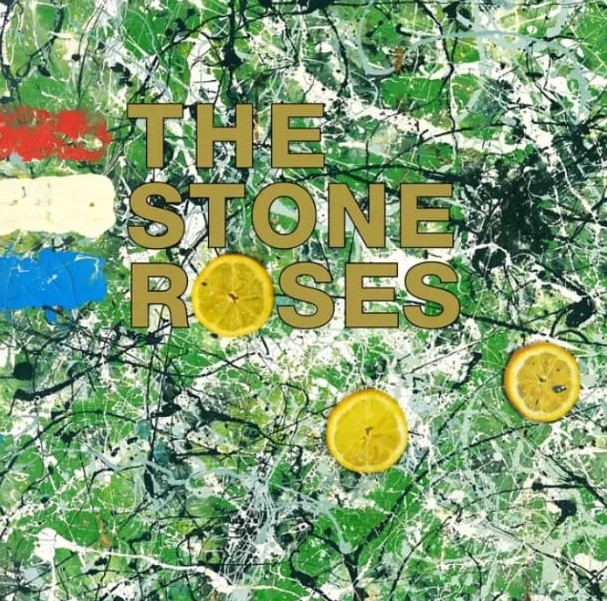
Artist: The Stone Roses
Album: The Stone Roses
Label: Silvertone
Released: 02 May 1989
UK Top 100 Albums: 19
US Billboard 200: 86
Produced: John Leckie
File Under: Up there with the greatest debut albums of all time. No arguments. Well, you can argue, but you’d be wrong.
🎧 Listening Status
Picture this: it’s 1989. I’m in Germany (West Germany, if you want to be historically pedantic), completely oblivious to the existence of this absolute masterpiece. By the time I got back to the UK, ‘Fool’s Gold’ had gone top ten, and suddenly The Stone Roses were the band.
One of those albums that still gets a few spins every year — though now it’s just a lazy click on Spotify rather than a painstaking vinyl ritual. I should really go back to vinyl. More effort. More ceremony. More skipping when I trip over the record player.
🔎 Background
In May 1989, this album quietly slipped into the world with barely a murmur. The Roses had been slogging it out in the north for a few years, but as the months passed, word-of-mouth hype turned them into a phenomenon. And then came Fool’s Gold, a song that wasn’t even on the original album, which catapulted them into the stratosphere.
Despite its indie roots and Byrds-esque melodies, the album was embraced by rave culture. We used to listen to it while hurtling up the M11 post-rave, coming down harder than a toddler off a sugar high. Perfect soundtrack for the 6 AM drive of shame.
But how does it hold up today? Only one way to find out…
▶️ Track by Track
1. I Wanna Be Adored
Manchester. Rain. The first notes of I Wanna Be Adored kick in, and I’m instantly transported. Back to a time when my only worries were affording records and making sure my battered old car actually started. This was the post-rave album, and this track set the tone beautifully. Simple, moody, utterly hypnotic. The band had confidence dripping out of their pores.
A more perfect album opener? I dare you to find one. Quote me on that.
2. She Bangs The Drums
Reni’s cymbal intro, Mani’s rumbling bass, and then boom — pure magic. It’s got that ’60s jangle, but it sounded futuristic at the time. Ian Brown swoons, the band swaggers, and I defy anyone not to feel the energy. Honestly, The Roses had so much swagger they were probably giving it away as B-side filler.
Criminally underrated when it was first released, this song has since become an indie anthem. If you don’t own and love this album, are you even a music fan?
Yeah, go ahead, quote me on that too.
3. Waterfall
Here’s where the album starts flexing. Waterfall is effortlessly cool. It sounds simple, but it’s deceptively complex. It’s the kind of song that makes you wonder, “How the hell did they pull this off?”
Even by their own standards, this is ridiculous. Listening now, I’m thrown back to a time when you discovered music by taping it off the radio, not via an algorithm. The album wasn’t just for rave kids — it was for everyone.
If it wasn’t propped up on a coffee table next to a Phil Collins CD in 1989, were you even middle class?
4. Don’t Stop
Right, here’s where they get weird. Take Waterfall, play it backwards, and turn it into a whole new song. And somehow — it works. The fact that they even attempted this speaks volumes.
I imagine the band in the studio going, “Lads, I’ve got a brilliant idea…” and then absolutely nailing it. It’s trippy, chaotic, and still my favourite track. And yes, they actually played it live.
5. Bye Bye Badman
After the sonic mind-melt of Don’t Stop, this feels almost normal. A solid track I once considered the album’s weak link, but listening now, I realise I was a fool.
The percussion alone is outrageous. Every instrument gets a moment to shine. The album is designed to be played from start to finish — no skipping. And I, for one, am ashamed of my previous misjudgement.
6. Elizabeth My Dear
A quick anti-monarchy ditty set to Scarborough Fair. Blinks and you miss it. Glorious.
7. (Song for My) Sugar Spun Sister
Another shimmering slice of indie perfection. Over the years, I’ve realised just how tightly structured these songs are. The band makes it sound effortless, but every note is in its right place.
Back in the day, I dismissed this one. I was an idiot.
8. Made of Stone
This was the moment it all kicked off. The Roses had arrived. Every indie disco in the land still blasts this out — and if they don’t, demand a refund.
Even on this umpteenth listen, it still feels fresh.
9. Shoot You Down
The bass is up front, and the production is outstanding. John Leckie deserves a medal for what he did here. I keep noticing new details even now. And this is why I love going back to albums I thought I knew inside out.
10. This Is the One
What a build-up. What a song. What an album. This track just erupts. It’s almost absurd how good it is.
The Roses made everything seem effortless, and that’s what makes them legendary.
11. I Am the Resurrection
Thud, thud, thud — off we go. The most anthemic song on the album. And then, halfway through, the band just goes off. Ian Brown probably popped out for fags, his work done, while the rest finished recording this masterpiece. Fair play.
John Squire takes centre stage, squeezing the notes out of his guitar as if his life depended on it.
The instrumental section is ridiculous in all the best ways. This album-ending is a statement: We are The Stone Roses, and we are untouchable.
Conclusion
Still thrilling. Still essential. If you don’t get this album, I suggest a long, hard look in the mirror.
🌹 Sleeve Notes – The Stone Roses (1989)
1️⃣ The producer that got away
Peter Hook of New Order was originally lined up to produce the debut album — but he was too busy finishing Technique. He did manage to produce Elephant Stone, but the full album was handed to John Leckie, who captured that psychedelic swagger perfectly.
2️⃣ Taxman-inspired bassline
The iconic outro of I Am the Resurrection features a bassline that Mani has openly said was inspired by The Beatles’ Taxman. A perfect nod to their ‘60s influences, reimagined with Madchester groove.
3️⃣ Two-time chart climber
Despite its huge cultural impact, the album didn’t crack the UK Top 10 until a 2004 reissue — 15 years after release. It climbed the charts again in 2009, proving that the Roses bloomed long after they first appeared.

 The Listening Log
Leave a reply to gialloesse Cancel reply